
Introduction
If you’re in the market for a new boat, you’ve likely come across the terms “tri pontoon boats” and “pontoon boats.” While both types offer unique advantages, understanding their differences can help you make an informed decision. With their spacious decks and versatility, these boats have become popular choices for water enthusiasts looking to enjoy leisurely days on the lake or exciting adventures on the open sea.
Understanding Tritoon and Pontoon Boats
Pontoon boats are typically built with two large, buoyant tubes (or pontoons) that provide stability and support. In contrast, tri pontoon boats feature three tubes, which enhance stability and allow for greater weight capacity. This fundamental difference in design results in distinct performance characteristics that cater to various boating needs.
Why Choose Between Tritoon and Pontoon?
Choosing between a tritoon and a traditional pontoon often boils down to your specific boating lifestyle. If you're looking for speed and agility while still enjoying ample deck space, tri pontoon boats may be your best bet. However, if leisurely cruising is more your style, a classic pontoon boat could be just what you need for those relaxing afternoons on the water.
The Growing Popularity of Tri Pontoon Boats
In recent years, tri pontoon boats have surged in popularity among boaters seeking enhanced performance without sacrificing comfort. Their ability to handle rougher waters while providing spacious layouts makes them ideal for families or groups looking to maximize their boating experience. As more boat dealers recognize this trend, you'll find an increasing number of options available when searching for pontoons for sale or used pontoon boats for sale near you.
Design and Construction
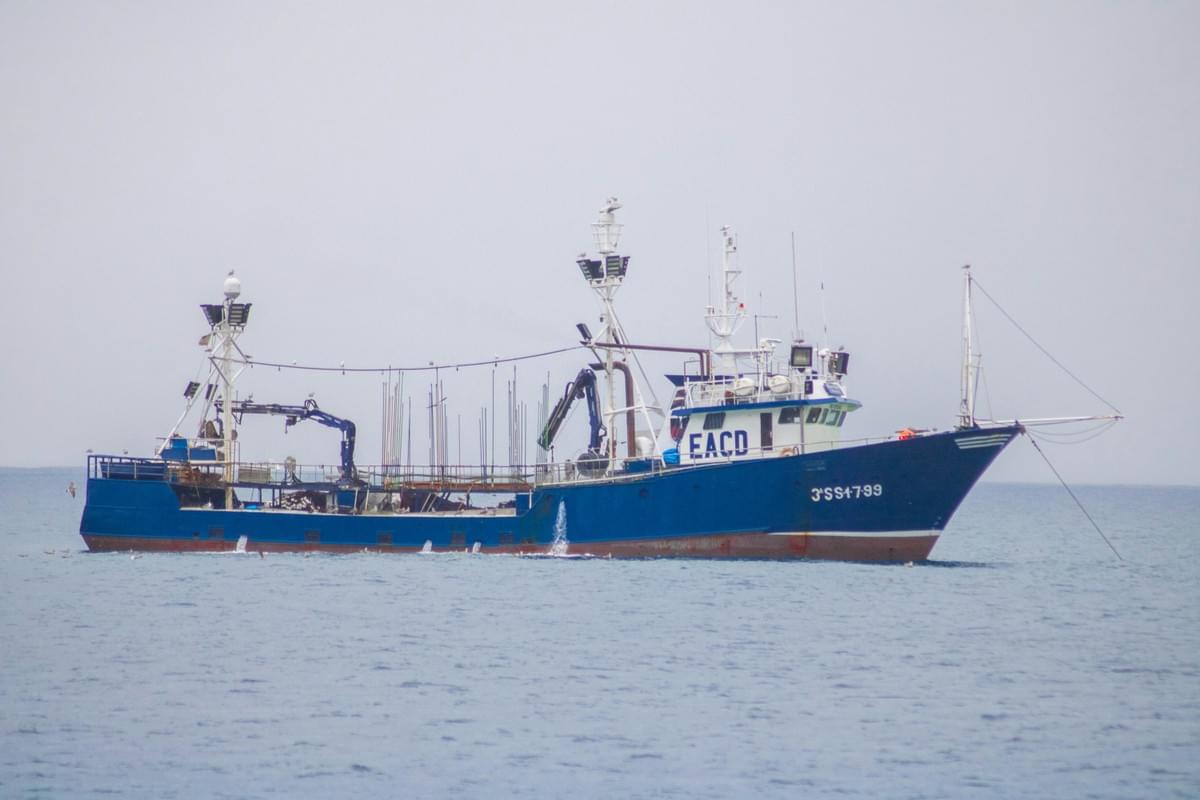
Each type offers unique advantages based on its hull design, stability features, and material choices. Understanding these aspects is crucial for anyone looking to invest in a boat that best suits their needs.
Differences in Hull Design
Hull design is where tri pontoon boats really shine compared to standard pontoon boats. Tri pontoons feature three tubes instead of two, which not only enhances buoyancy but also provides a more streamlined shape for cutting through water efficiently. This design allows for better performance at higher speeds, making them ideal for those who enjoy thrilling rides or water sports.
In contrast, traditional pontoon boats generally have a flatter hull that excels in calm waters but may struggle with speed and agility in rough conditions. The added buoyancy of tri pontoons translates to improved stability during sharp turns or choppy waters, making them a preferred choice among boaters seeking versatility. Whether you're planning leisurely cruises or high-energy outings with deck boats, understanding these hull differences will help you make an informed decision.
Stability and Handling Performance
Stability is one of the most significant advantages of tri pontoon boats over their conventional counterparts. Thanks to the third tube, these vessels offer enhanced lateral stability, which means less rocking and rolling while cruising or anchoring. This feature makes them particularly appealing for families with young children or those prone to seasickness.
Handling performance also varies between the two designs; tri pontoons typically respond better during acceleration and when navigating tight spaces due to their superior weight distribution. This agility allows for smoother transitions when maneuvering through crowded docks or busy waterways—an essential factor if you’re searching “boat near me” in bustling marinas! On the other hand, while traditional pontoons may not match this level of responsiveness, they still provide reliable handling suitable for relaxed outings on calmer waters.
Material Choices in Tritoon and Pontoon Boats
The materials used in constructing tri pontoon boats versus standard pontoon boats can also impact durability and maintenance costs over time. Many modern tri pontoons utilize advanced composite materials that enhance strength while reducing weight; this translates into better fuel efficiency and easier towing capabilities if you’re considering used pontoon boats for sale options that require transport often.
In contrast, traditional pontoons are frequently built from aluminum or fiberglass materials that offer their own set of benefits—primarily durability against corrosion but sometimes at the cost of added weight. When evaluating your purchase options at various boat dealers or searching online listings like “pontoons for sale,” consider how material choices align with your intended use: whether it's frequent family outings or occasional fishing trips can dictate which construction type is best suited for you.
Performance and Speed
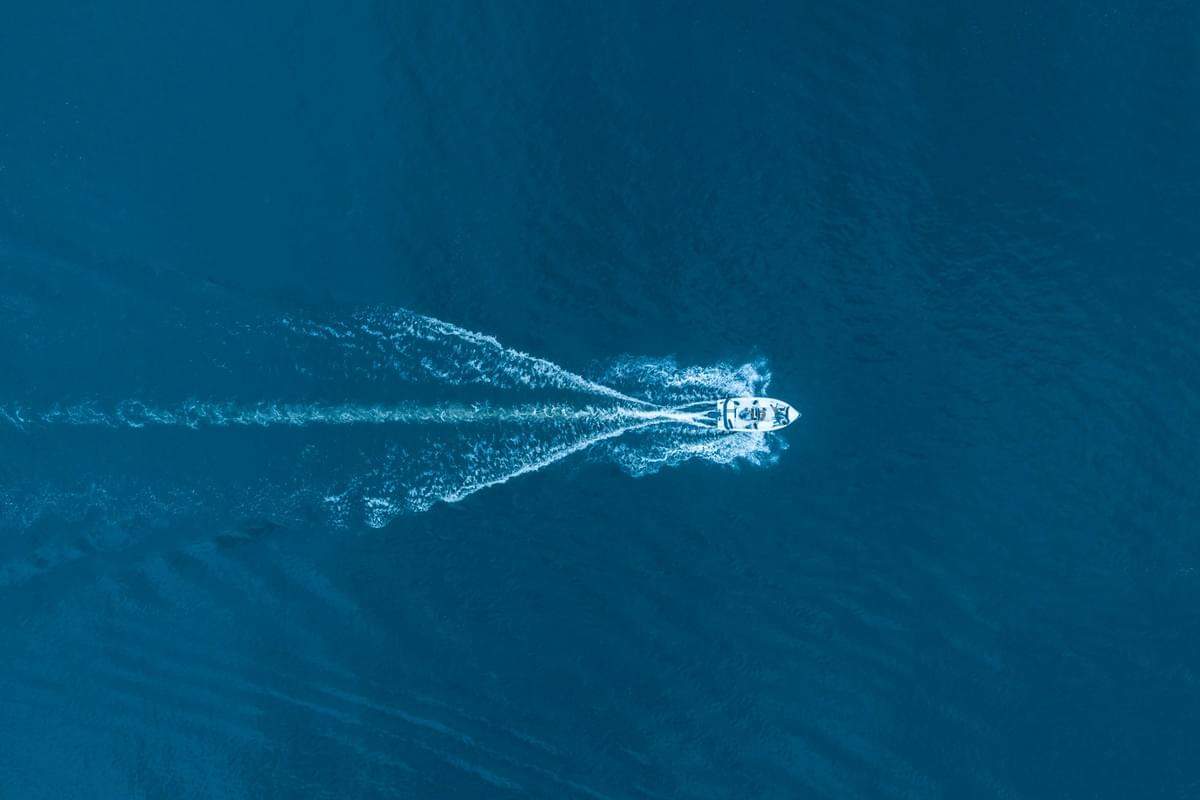
Understanding the power and engine options available, as well as how these factors affect acceleration and handling in various water conditions, is essential for making an informed decision. Whether you’re considering new or used pontoon boats for sale, knowing the performance capabilities can help you choose a boat that suits your lifestyle.
Power and Engine Options
Tri pontoon boats typically offer more robust engine options compared to standard pontoon boats due to their enhanced hull design. This means they can accommodate larger engines which contribute to superior power output, resulting in better overall performance on the water. When shopping at boat dealers, you’ll find that many tri pontoons come equipped with powerful outboard motors that deliver impressive thrust, making them ideal for those who crave speed during their aquatic adventures.
Conversely, traditional pontoon boats often feature smaller engines designed for leisurely cruising rather than high-speed thrills. While they may not match the raw power of tri pontoons, they still provide ample performance for casual outings or family gatherings on calm waters. Ultimately, choosing between these two types of vessels will depend on whether you prioritize speed or a more relaxed boating experience.
Acceleration and Top Speed Comparisons
Acceleration is one of the most noticeable differences when comparing tri pontoon boats to standard pontoons; thanks to their additional hulls, tri pontoons typically achieve higher speeds more quickly. For adrenaline seekers looking to zip across lakes or rivers with friends and family in tow, this quick acceleration can be a game-changer. Many owners report top speeds exceeding 40 mph with well-equipped tri pontoons—an exhilarating pace that traditional pontoons usually can't match.
However, if your boating style leans towards relaxation rather than racing across the water's surface, a traditional pontoon may serve you better at lower speeds while providing stability and comfort during leisurely rides. The choice really boils down to your intended use; if you're planning on engaging in water sports like wakeboarding or tubing frequently, then investing in a tri pontoon could be worth it. For those who prefer peaceful days spent fishing or sunbathing with friends aboard their boat near me—or looking through listings of used pontoon boats for sale—speed might not be as critical.
Water Conditions and Handling Capabilities
The ability to handle various water conditions is another crucial aspect where tri pontoon boats shine over conventional models. Their unique hull design allows them to cut through choppy waters with greater ease while providing exceptional stability even at higher speeds—a fantastic feature for those who enjoy adventurous outings on unpredictable lakes or rivers. If you're someone who frequently navigates rough waters but still desires comfort while cruising around with family or friends aboard deck boats or pontoons for sale near me, a tri-pontoon could be your best bet.
They also provide excellent buoyancy which enhances overall comfort when lounging aboard during lazy afternoons under the sun! So whether you're eyeing sleek new models from local boat dealers or browsing online listings of pontoons for sale in your area—consider how each vessel might fare against varying water conditions before making that final decision.
Capacity and Space

Understanding these differences is crucial for any boater looking to maximize their experience on the water. Whether you’re planning a family outing or a day of fishing with friends, knowing what each type offers in terms of capacity can help you make an informed decision.
Passenger Capacity of Each Type
Passenger capacity is one of the standout features when comparing tri pontoon boats to traditional pontoon boats. Generally, tri pontoons can accommodate more people due to their larger size and additional buoyancy from the third tube, often making them ideal for larger gatherings or parties on the water. On the other hand, standard pontoon boats also provide ample space but typically have slightly lower passenger limits, which might be better suited for smaller groups or intimate outings.
Storage and Layout Differences
Storage options are vital when considering your boating needs, especially if you plan to spend extended time on the water. Tri pontoon boats often come with innovative storage solutions that maximize space efficiency while still being aesthetically pleasing—think built-in compartments and under-seat storage that keep your gear organized without cluttering your deck. In contrast, while traditional pontoon boats may offer less storage overall, they often provide more straightforward layouts that some boaters find easier to navigate.
Comfort on Deck: Seating Arrangements
Comfort is king when you're spending hours on deck; therefore, seating arrangements play a pivotal role in your boating experience. Tri pontoon boats frequently feature versatile seating configurations that cater to socializing as well as relaxation—think swivel chairs for fishing or lounge areas for sunbathing! Meanwhile, traditional pontoons typically offer spacious bench seating that allows everyone to enjoy scenic views together but may lack some of the customizability found in tri pontoons.
Purpose and Use Cases

Both types of boats offer unique advantages that cater to various recreational activities, making them appealing for different lifestyles. Whether you're looking to cruise the lake with family or engage in water sports, knowing how each boat fits into your plans can help you make an informed decision.
Recreational Activities on Both Boats
Tri pontoon boats shine when it comes to versatility in recreational activities. With their enhanced stability and larger surface area, they are perfect for hosting gatherings, fishing excursions, or even leisurely sunset cruises. On the other hand, traditional pontoon boats are great for relaxing days on the water with friends and family, providing ample space for lounging and enjoying a picnic.
While both types of boats can accommodate various activities, tri pontoons often excel in performance-oriented pursuits like water skiing or wakeboarding due to their superior handling capabilities. If you're searching for a boat near me that offers both fun and functionality, you might find that tri pontoons are particularly well-suited for active lifestyles. However, if your focus is more on relaxation and casual outings, used pontoon boats for sale could be just what you need.
Best Uses for Deck Boats Versus Pontoons
Deck boats offer a unique blend of features that cater specifically to those who crave speed and agility on the water. If your idea of a perfect day includes watersports or cruising at higher speeds with friends, deck boats might be your go-to choice over traditional pontoons.
Pontoon boats are ideal for leisurely cruises around lakes or rivers while also accommodating larger groups comfortably—perfect for barbeques or birthday parties on the water! When considering options like pontoons for sale near me, think about how often you'll use your boat and what activities you'll prioritize most often. Ultimately, whether you lean towards deck boats or tri pontoons will depend heavily on how you envision spending your time afloat.
Choosing Based on Lifestyle Needs
Choosing between tri pontoon boats and traditional pontoons ultimately boils down to lifestyle needs and preferences. If you're an adventure-seeker who loves high-energy activities like tubing or wakeboarding with friends every weekend, investing in a tri pontoon may provide the best balance between fun and stability. Conversely, if relaxation is more your style—think lazy afternoons spent fishing—then exploring used pontoon boats could yield fantastic options tailored just right.
Boat dealers often have insights into which models suit specific lifestyles best; don’t hesitate to ask them about recommendations based on your intended use! They can guide you toward finding not just any boat but one that aligns perfectly with how you plan to enjoy life on the water—whether that's through thrilling escapades or peaceful retreats surrounded by nature's beauty.
Cost and Value

Whether you're eyeing tri pontoon boats or traditional pontoon boats, price can vary significantly based on factors like new versus used options, features, and dealer markups. Knowing where to find reputable boat dealers can help you navigate these waters more smoothly.
Comparing Price Points: New vs. Used Pontoon Boats for Sale
New pontoon boats often come with the latest technology and warranty coverage but can hit your wallet hard. On the other hand, used pontoon boats for sale provide a more budget-friendly alternative without sacrificing too much in terms of quality—especially if you're buying from trusted boat dealers. When searching online for pontoon boats for sale near me, make sure to compare prices across both new and used options to get the best bang for your buck.
Maintenance Costs: Tritoon vs Pontoon
Maintenance costs are another critical factor when deciding between tri pontoon boats and traditional pontoons. Generally, tri pontoons may require slightly higher maintenance due to their additional hulls and complex setup, but they also offer enhanced stability that some boaters might find worth the investment. Regular upkeep is essential regardless of your choice; therefore, researching local boat dealers about service packages can save you money in the long run.
Resale Value and Market Trends
Resale value is an important consideration when purchasing any type of boat. Tri pontoon boats tend to hold their value well due to their growing popularity among recreational enthusiasts; however, traditional pontoon boats still remain a strong contender in resale markets as well. Keeping an eye on market trends will help you understand when it’s time to upgrade or sell your current model—whether it's a deck boat or a classic pontoon.
Conclusion

Choosing between a tritoon and a pontoon boat can feel like navigating through uncharted waters. With each type offering distinct advantages, your decision should hinge on factors such as intended use, performance needs, and budget. Ultimately, understanding these key aspects will help you find the boat that best suits your lifestyle.
Key Factors in Choosing Your Ideal Boat
When selecting your ideal boat, consider how you plan to use it—whether for leisurely family outings or adventurous water sports. Tri pontoon boats generally provide enhanced stability and speed, making them perfect for those who crave excitement on the water. On the other hand, traditional pontoon boats offer ample space for relaxation and socializing, appealing to those who prioritize comfort over speed.
Another vital factor is passenger capacity; if you often entertain large groups, you'll want a boat that accommodates everyone comfortably. Don't forget about storage options either; deck boats may have different layouts compared to pontoons that could impact how much gear you can bring along. By weighing these elements carefully against your preferences and lifestyle needs, you'll be better equipped to make an informed choice.
Making the Right Investment in Boating
Investing in a boat is no small feat; it's essential to ensure you're getting value for your money while enjoying countless hours of fun on the water. When comparing new versus used pontoon boats for sale, remember that depreciation can significantly affect resale value down the line—especially with tri pontoon boats that tend to retain their worth better due to their popularity. Always assess maintenance costs upfront as well; some models require more upkeep than others.
Additionally, consider financing options available through local boat dealers or specialized lenders who understand boating needs and markets well. This way, you'll avoid any financial hiccups while still enjoying everything boating has to offer! Making an informed investment now means less worry later when you're out cruising with friends or family.
Where to Find Pontoons for Sale Near Me
Finding the right pontoons for sale near you doesn’t have to be a daunting task! Start by checking online listings where many reputable boat dealers showcase both new and used pontoon boats for sale—all at competitive prices! You might also want to explore local marinas or community bulletin boards where private sellers often list their vessels.
If you're searching specifically for tri pontoon boats or deck boats tailored to fit your adventurous spirit, don't hesitate to ask around within boating communities—word of mouth can lead you directly to hidden gems! Whether you're looking online or visiting local shops in person, there’s no shortage of options available when seeking out the perfect vessel tailored just for you.