
Introduction

The choice between inboard vs outboard motors can significantly impact your overall experience on the water. Understanding the nuances of each option will help you make an informed decision that aligns with your boating needs.
Understanding Boat Engine Options
Boat engines come in various configurations, but two primary types dominate the market: inboard and outboard motors. Each type has its own unique characteristics, advantages, and disadvantages that can influence your choice when you decide to buy an outboard motor or opt for an inboard setup. Familiarizing yourself with these options is essential for ensuring that your go boat meets all your expectations.
Key Factors in Choosing a Boat
When choosing a boat, several factors come into play beyond just engine type; these include intended use, budget constraints, and personal preferences regarding space and design. For instance, if speed and agility are high on your list, you might lean toward an outboard motor for its performance capabilities. Conversely, if you're after stability and power for larger vessels, an inboard engine may be more suitable.
Overview of Inboard and Outboard Motors
In essence, inboard motors are housed within the boat's hull while outboards are mounted externally at the transom. This fundamental difference leads to varying performance characteristics; outboards often offer easier access for maintenance like outboard repair or outboard engine repair compared to their inboard counterparts. As you embark on this journey of understanding boat engines better, you'll find that each option presents unique benefits tailored to different boating lifestyles.
Inboard vs Outboard Motors: The Basics

Each type offers unique advantages and disadvantages that cater to different boating needs. Whether you're looking to buy an outboard motor or considering an inboard setup, knowing the basics will help you make a more informed decision.
Defining Inboard and Outboard Motors
Inboard motors are installed inside the hull of the boat, often connected directly to a propeller shaft, while outboard motors are mounted externally on the transom, providing propulsion through a combination of gas and electric power. The choice between inboard vs outboard motors can significantly affect your boating experience, from performance to maintenance needs. Understanding these definitions is essential for anyone looking to purchase a new boat or upgrade their existing one.
Pros and Cons of Each Type
When weighing inboard vs outboard motors, it's important to consider their respective pros and cons. Outboards are generally easier to install and offer greater maneuverability; they also tend to be more affordable upfront, making them ideal for those looking to buy an outboat motor on a budget. However, inboards often provide better fuel efficiency for larger boats and can be quieter during operation but may come with higher initial costs and complex maintenance requirements like outboard repair or inboard engine repair.
Common Uses for Inboard and Outboard Motors
Outboards are popular on smaller vessels like fishing boats or personal watercraft due to their versatility and ease of use—perfect for those spontaneous trips on a go boat! On the other hand, inboards are commonly found on larger yachts or cruisers where stability at high speeds is essential.
Performance Comparison

Each type of boat motor offers unique advantages and drawbacks that cater to different needs and preferences. Understanding these distinctions will help you make an informed decision when considering which type of engine suits your go boat best.
Speed and Handling Differences
Speed and handling are two critical factors that every boater considers when choosing between inboard vs outboard motors. Generally, outboard motors are known for their agility, allowing for quicker turns and easier maneuverability, making them ideal for fishing or recreational use in smaller boats. In contrast, inboard engines often provide more power and stability at higher speeds, making them a popular choice for larger vessels or those seeking a smoother ride on open waters.
Handling also varies depending on the weight distribution of the boat motor; outboards typically have a lighter footprint which can lead to a more responsive feel on the water. However, this lightweight nature may sometimes compromise stability in rough conditions compared to their heavier inboard counterparts. Ultimately, whether you decide to buy an outboard motor or opt for an inboard engine will hinge on how you plan to use your boat.
Fuel Efficiency Insights
Fuel efficiency is another critical consideration when comparing inboard vs outboard motors. Outboards tend to be more fuel-efficient at lower speeds due to their lighter weight and design; this makes them particularly attractive if you're planning long fishing trips or leisurely cruises where speed isn't the primary concern. On the other hand, while modern inboards have made significant strides in efficiency, they often consume more fuel at high speeds due to their larger size and power output.
For those who frequently venture into deeper waters or require consistent high-speed performance from their boat motor, understanding these nuances can save money over time. If you're looking to maximize fuel economy without sacrificing power during quick bursts of speed, consider how each option aligns with your boating habits before deciding on an engine type. Remember that regular maintenance plays a crucial role as well; keeping your chosen engine running efficiently will enhance its overall fuel consumption.
Maintenance Needs: Inboard vs Outboard
Maintenance needs are essential when weighing the pros and cons of inboard vs outboard motors since they directly affect long-term ownership costs and ease of use. Outboards generally require less complex maintenance compared to their inboard counterparts; tasks like oil changes or spark plug replacements can often be done quickly without needing specialized tools or extensive knowledge about marine engines. This simplicity is one reason many choose to buy an outboard motor for smaller crafts where ease of upkeep is paramount.
Conversely, maintaining an inboard engine can be more involved due to its enclosed nature within the hull structure; accessing components may require more time and effort during repairs or routine check-ups like coolant changes or transmission servicing—definitely something worth considering if you prefer DIY maintenance! Additionally, if you're ever faced with needing repairs—be it outboard repair or specific concerns regarding an outboard engine repair—you'll want access to qualified technicians familiar with either system's intricacies.
Cost Considerations

The initial investment can vary significantly between these two types of boat motors, affecting your overall budget and future decisions. Let’s dive into the financial aspects that could influence your choice.
Initial Investment for Each Type
The initial cost of an outboard motor tends to be lower than that of an inboard motor, making it an attractive option for first-time buyers or those on a budget. When you buy an outboard motor, you generally save on installation costs since they are easier to mount and can be swapped out without extensive modifications to the boat’s structure. However, if you're considering performance and longevity, investing in an inboard motor might pay off over time despite the higher upfront price.
Long-term Costs: Repairs and Maintenance
Long-term costs play a vital role when comparing inboard vs outboard motors. Outboards usually require less maintenance due to their simpler design; however, you still need to factor in potential outboard repair costs as they age or sustain damage from harsh marine conditions. On the flip side, while inboards may demand more frequent maintenance checks and repairs due to their complexity, they often have longer lifespans if properly cared for—making them potentially more economical over many years.
Where to Buy: New vs Used Options
Deciding where to buy your boat motor can significantly impact your finances as well. Whether you choose a new or used option will depend on what you're looking for—new motors come with warranties but at a higher price tag; used ones are more affordable but may require immediate attention like outboard engine repair or upgrades for optimal performance. If you're leaning toward getting a go boat equipped with either type of engine, consider checking local dealerships and online marketplaces for deals that fit your budget.
Space and Design Implications

When it comes to choosing between inboard vs outboard motors, one must consider the significant implications on space and design. The layout of a boat can dramatically affect how you use it, from storage capabilities to overall comfort. Understanding these differences will help you make a more informed decision when deciding on your next boat motor.
Layout Differences in Boats
Inboard and outboard motors create fundamentally different layouts within the boat's design. An inboard motor is typically housed within the boat's hull, freeing up deck space for activities or storage but often requiring more complex engineering for access and maintenance. Conversely, an outboard motor is mounted externally at the stern, making it easier to access for repairs but potentially consuming valuable space that could otherwise be used for seating or storage.
Impact on Deck Space and Comfort
The choice between an inboard vs outboard motor can greatly influence your boat’s comfort level and usability. With an outboard motor, you may find yourself with less usable deck space since the engine protrudes from the back of the vessel; however, this allows for easier maneuverability when fishing or entertaining guests. On the other hand, boats with inboard motors often provide a cleaner line along the transom and may offer more room for lounging or recreational activities on deck.
Aesthetic Considerations for Your Go Boat
Aesthetics matter when selecting between an inboard vs outboard motor; how your chosen engine fits into your go boat’s overall look can enhance its appeal significantly. An outboard motor presents a rugged exterior that can add character to a sporty vessel, while an inboard setup tends to lend itself to sleek lines and sophisticated designs that might attract those looking for elegance over raw power. Ultimately, whether you decide to buy an outboard motor or opt for something more integrated will depend not just on functionality but also on how much you value style as part of your boating experience.
Service and Repairs
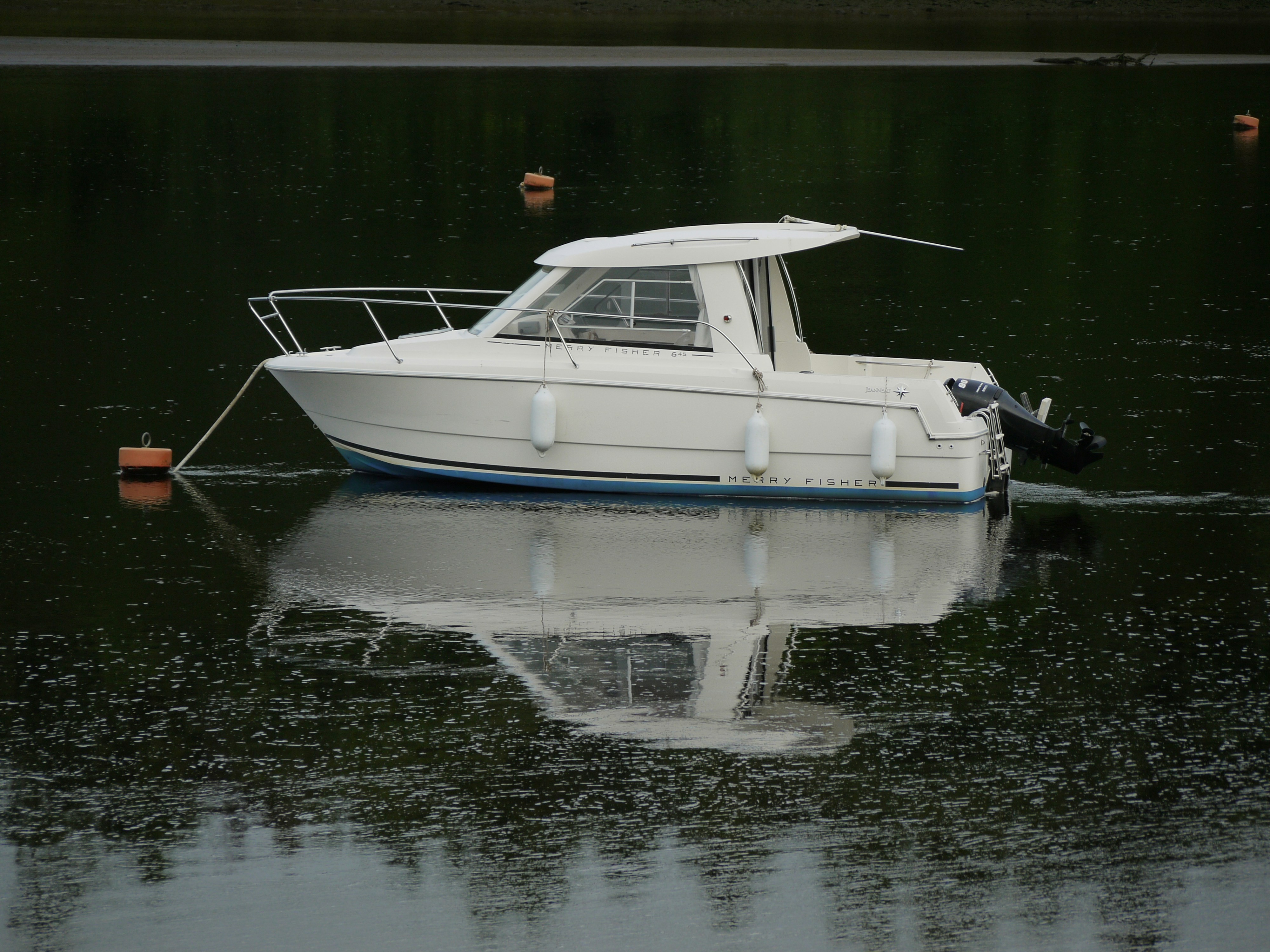
When it comes to keeping your boat in shipshape, understanding the service and repair needs of your engine is crucial. Whether you're leaning toward an inboard or outboard motor, each type has its unique maintenance requirements that can impact your boating experience. Let’s dive into the nitty-gritty of outboard and inboard engine repairs, so you can navigate these waters with confidence.
Outboard Repair vs Inboard Engine Repair
Outboard motors are generally easier to access for repairs since they are mounted externally on the transom of the boat. This accessibility can lead to quicker turnaround times for outboard repair compared to inboard engine repair, which often involves more complicated disassembly processes due to their placement within the hull. However, while outboards may be simpler to fix, inboards often offer better durability and longevity when properly maintained.
In terms of complexity, outboard motor repairs typically focus on issues like fuel system problems or electrical failures that can be addressed without too much hassle. On the other hand, inboard engines might require specialized knowledge for repairs related to cooling systems or drivetrain components. So when you weigh inboard vs outboard motors for maintenance ease, consider how hands-on you want to be with your boat motor.
Finding Qualified Technicians
Finding a qualified technician is essential whether you're dealing with an outboat motor or an inboard engine issue. Start by seeking recommendations from fellow boaters or checking online reviews; sometimes word-of-mouth is your best bet for finding reliable service providers who specialize in either type of engine repair. Keep an eye on certifications as well; technicians who are certified by manufacturers often have the latest knowledge about specific models.
Additionally, many marinas offer services that include both types of engines; however, ensure that they have a solid reputation specifically for either outboard repair or inboard engine repair depending on what you need. Don't hesitate to ask about their experience with different brands and models—this will give you insight into their expertise and help you feel more confident leaving your beloved go boat in their hands!
The Role of Weisidun Yacht in Engine Support
Weisidun Yacht stands out as a key player when it comes to providing support for both types of engines—whether you're looking at buying an outboat motor or need assistance with maintenance issues down the line. Their team specializes not only in sales but also offers comprehensive service options tailored specifically for both inboards and outboards alike. This means whether you're navigating through routine maintenance checks or facing unexpected breakdowns, they’ve got your back!
With a focus on customer satisfaction and quality service, Weisidun Yacht ensures that every boater has access to knowledgeable technicians who understand the intricacies between different types of motors. They also provide valuable resources online where you can learn more about common issues faced by both types of engines—perfect if you're considering which direction to go before making a purchase decision! So whether it's time for some serious repairs or just routine upkeep on your go boat's motor, remember that Weisidun Yacht is there every step of the way.
Conclusion

Deciding between inboard vs outboard motors can feel like navigating a maze, but with the right information, you can make an informed decision that suits your boating lifestyle. Each type of boat motor has its unique advantages and challenges, so consider your needs carefully before making a choice. Whether you're drawn to the power and efficiency of an outboard motor or the stability and quiet operation of an inboard engine, knowing what works best for you is key.
Making an Informed Decision
If you're looking to buy an outboard motor for fishing or water sports, think about how much speed and maneuverability matter to you. On the flip side, if long-distance cruising is your goal, exploring inboard options might be more beneficial for comfort and fuel efficiency.
Final Thoughts on Your New Boat
Your new boat is more than just a vessel; it’s a gateway to adventure on the water! As you finalize your choice between inboard vs outboard motors, remember that each option brings something special to the table. Whether you're opting for an agile outboat motor or a robust inboard engine, every outing promises memories waiting to be made.
The Future of Your Boating Experience
The future of your boating experience hinges on your choices today—especially when deciding between inboard vs outboard motors. Investing time into understanding options like outboard repair services or maintenance needs will pay off down the line as you enjoy stress-free days on the water. So gear up for countless adventures ahead with confidence in your decision-making!